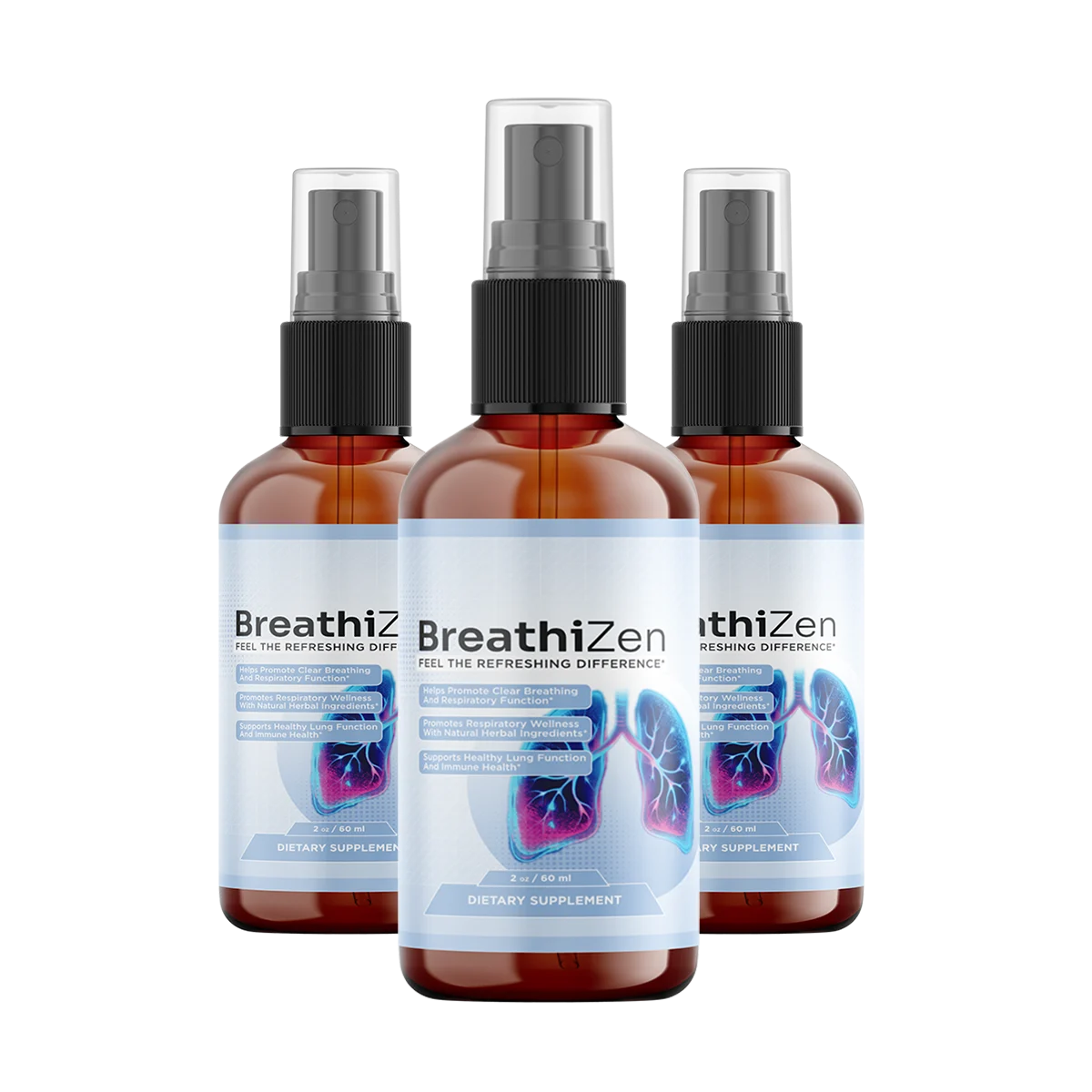
The lung health supplement aisle is full of confident language and thin evidence. This is an attempt to say what the category can honestly offer, which is less than the marketing suggests and more than nothing.
What a lung health supplement is, legally
In the United States a dietary supplement cannot claim to treat, cure or prevent a disease. It can make what regulators call structure-function claims — language about supporting normal function. So a product may say it supports respiratory health; it may not say it relieves a cough.
This is why the labels read the way they do. The hedging is not evasiveness on the manufacturer's part so much as the only permitted vocabulary. And it cuts the useful way: a lung support product claiming to treat something is announcing that it is willing to break the rules, which tells you how much to trust the rest of the label.
What herbal lung support can plausibly do
Three honest positions, in descending order of support:
Support a habit. The strongest real benefit, and the least glamorous. A daily airway health routine that includes a supplement tends to include the other things too — the fluid, the humidity check, the walk. The supplement is partly a reminder, and reminders work.
Traditional use. Mullein, thyme, liquorice root and ginger have centuries of respiratory use across unconnected traditions. That convergence is genuinely interesting. It is not a clinical trial, and anyone presenting it as one is overselling.
Laboratory signal. Several botanicals do measurable things to airway tissue in a dish. The distance between a tissue sample and a person with symptoms is enormous and routinely glossed over.
What it cannot do
It cannot repair cilia faster than they regrow. It cannot substitute for stopping smoking, and nothing in the category comes close. It cannot diagnose the cough you have had for two months. And breathing support on a label does not mean improved lung capacity — lung capacity is a measurable thing, measured with a spirometer, and no supplement has shown it moves.
Does format matter?
Somewhat. An oral spray supplement delivers via the mouth, and sublingual absorption lets some compounds bypass first-pass liver metabolism — though a spray swallowed immediately behaves much like any liquid. A capsule is convenient and shelf-stable. A tea needs brewing, which is where most people quietly stop.
The firmest advantage of a spray is not pharmacological. It is that four sprays take five seconds, and a routine that takes five seconds survives a bad week.
Natural expectorant: a word worth unpacking
An expectorant thins secretions so they are easier to move. Guaifenesin is the familiar one, and its evidence is mixed even as a drug. Herbs sold as a natural expectorant mostly rest on traditional use rather than trial data. The thing that reliably loosens secretions is water, and it is free.
Four questions before buying any of them
Is every ingredient listed with its own amount, or is it hidden in a proprietary blend? Does the label make a disease claim it is not allowed to make? Is there a guarantee long enough to actually test the product — sixty days rather than fourteen? And are the basics already in place, because a supplement layered on top of dry bedroom air and inadequate fluid intake is the most expensive way to address neither.
Three Botanicals, Once a Day
Packages from $49 a bottle, every one with the same 60-day guarantee.
See Package PricingThese statements have not been evaluated by the Food and Drug Administration. BreathiZen® is a dietary supplement and is not intended to diagnose, treat, cure or prevent any disease. Nothing here is medical advice. Prices, shipping and guarantee terms are set by the official retailer and confirmed at checkout. Speak to your doctor before starting any supplement.
← Back to all articles